
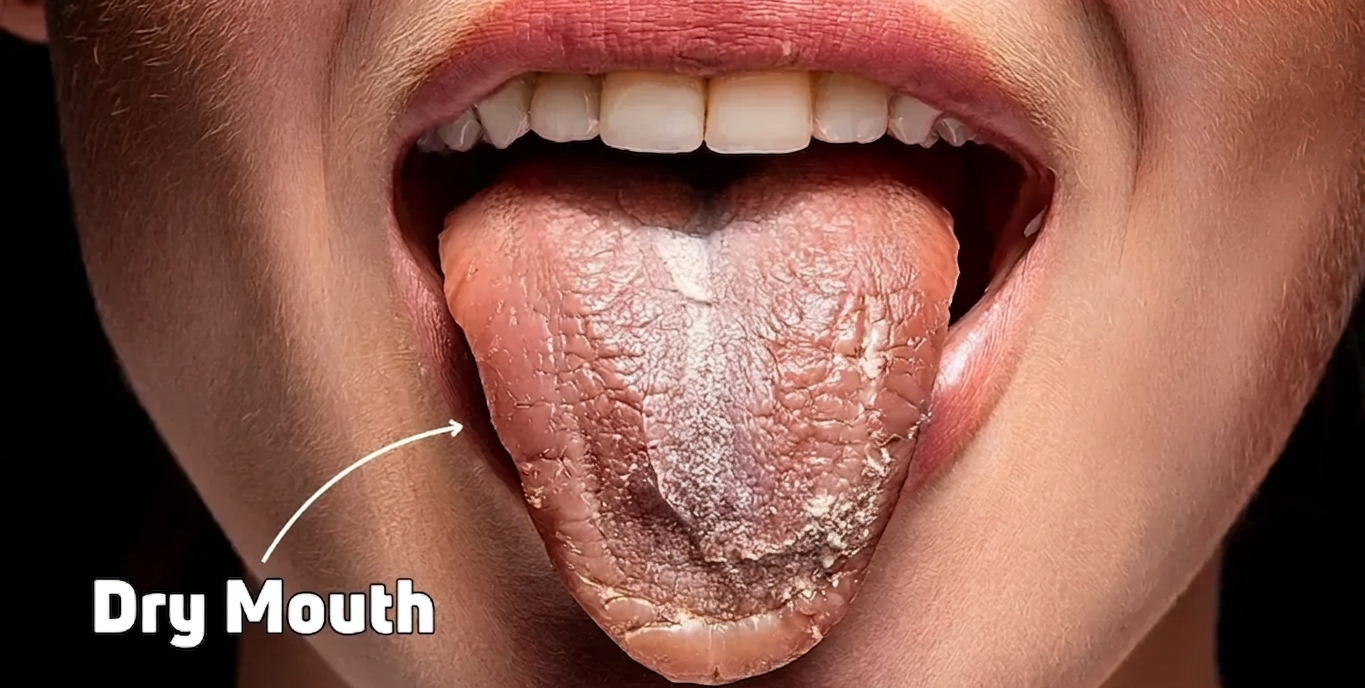
If you often wake up feeling thirsty, notice a sticky feeling in your mouth, or keep wondering "why is my mouth getting dry?", you may be experiencing dry mouth, also called xerostomia. It's more common than you think, but here's the thing—occasional dryness is completely normal. However, if it's persistent and recurring, it might be signaling something deeper that needs attention.
Dry mouth isn't just uncomfortable. It can affect how you eat, speak, and smile with confidence. That sticky, uncomfortable feeling in your mouth or the sensation of a dry, rough tongue can be frustrating. Some people experience bad breath, difficulty swallowing, or wake up feeling parched despite drinking water throughout the day.
In this guide, we'll explore what dry mouth really is, what causes it, and most importantly—what you can do about it. Whether you're dealing with temporary dryness or chronic xerostomia, you'll find practical solutions here.
What Is Dry Mouth (Xerostomia)?
Xerostomia is the fancy medical term for dry mouth, but what does it actually mean?
Your mouth naturally produces saliva throughout the day—roughly 1 to 1.5 liters daily. Saliva isn't just water. It's packed with enzymes, minerals, and proteins that protect your teeth, help with digestion, and keep your mouth healthy. When your salivary glands don't produce enough saliva, that's when you get mouth dryness reason you're experiencing.
Think of saliva as your mouth's built-in protection system. It neutralizes acids, fights bacteria, and helps wash away food particles. Without enough of it, your mouth becomes vulnerable to infections, tooth decay, and gum disease.
Temporary vs. Chronic Dry Mouth
Not all dryness is created equal. Sometimes your mouth feels dry because you're dehydrated, stressed, or it's just a hot day. This passes. But when dry mouth causes persist for weeks or months despite your efforts to stay hydrated, that's chronic xerostomia—and it needs professional attention.
Dry Mouth Symptoms: How to Know If You Have Xerostomia
Wondering if what you're experiencing is actually dry mouth? Here are the telltale signs:
| Symptom | What It Feels Like |
|---|---|
| Sticky or dry feeling in mouth | Your mouth feels cottony or pasty |
| Dry, rough tongue | Your tongue feels like sandpaper; difficulty moving it |
| Thick saliva | Saliva is stringy and doesn't flow smoothly |
| Difficulty swallowing or speaking | Trouble eating hard foods; voice becomes hoarse |
| Cracked lips | Lips peel, crack, and may bleed easily |
| Bad breath | Persistent odor even after brushing |
| Dry throat | Constant urge to clear your throat |
| Mouth dry after waking up | You wake up parched and need water immediately |
| Dehydrated tongue symptoms | Tongue looks pale or has a burning sensation |
If you're experiencing three or more of these dry mouth symptoms, it's worth paying attention. Your body is telling you something.
Mouth Dryness Causes: Why Is My Mouth Getting Dry?
Understanding why your mouth is dry is the first step to fixing it. There's rarely just one reason for mouth dryness—usually it's a combination of factors. Let's break down the most common mouth dryness causes:
Dehydration
This is the simplest cause. If you're not drinking enough water, your body conserves fluids, and your salivary glands produce less saliva. It happens to everyone occasionally, but it becomes a real issue if you consistently under-hydrate.
How to spot it: You feel thirsty, your urine is dark yellow, and you're drinking less than 6-8 glasses of water daily.
Medication Side Effects
Here's something many people don't realize—over 600 medications can cause dry mouth as a side effect. This is one of the most common reasons for dry mouth, especially if you're taking:
- Antihistamines (allergy medications)
- Antidepressants
- Blood pressure medications
- Anxiety medications
- Pain relievers
If you started a new medication and noticed mouth dryness appeared around the same time, talk to your doctor. Sometimes switching medications can help.
Mouth Breathing & Snoring
When you breathe through your mouth instead of your nose, you're actively drying out your oral tissues. This is especially problematic at night. If you snore or sleep with your mouth open, you'll likely wake up experiencing that parched, uncomfortable feeling.
Why it matters: Mouth breathing disrupts your natural saliva production and exposes your mouth to air that constantly evaporates moisture.
Medical Conditions Linked to Dry Mouth
Several health conditions are directly connected to dry mouth causes:
Diabetes
High blood sugar affects saliva production. Many people with diabetes notice they're constantly dealing with dry mouth symptoms.
Thyroid Disorders
An underactive thyroid can slow down saliva production, leading to chronic dryness.
Autoimmune Diseases
Sjögren's syndrome is famous for causing severe xerostomia—it literally attacks your salivary glands.
Vitamin Deficiencies
Low vitamin B12 or iron can dry out your mouth tissues and cause a dry tongue.
Salivary Gland Disorders
Your salivary glands might be damaged or inflamed, reducing their ability to produce saliva.
Lifestyle Factors
Your daily habits have a huge impact on oral moisture:
- Stress & Anxiety – Stress triggers your body to restrict saliva flow. During anxious periods, many people notice their mouth feeling dry.
- Smoking – Tobacco smoke damages salivary glands and directly causes dry mouth.
- Alcohol – Dehydrates your entire body, including your mouth.
- Excess Caffeine – Caffeine is a diuretic—it pulls water from your body.
Cancer Treatments & Radiation
Chemotherapy and radiation therapy can permanently or temporarily damage salivary glands. This is one of the most serious causes of dry mouth and requires professional management.
Causes of Sudden Dry Mouth
Sometimes dryness appears overnight. Sudden causes include:
- Acute stress or anxiety
- High fever from infection
- Dehydration from illness
- Unexpected medication reaction
- Blood sugar spikes
What Is Dry Mouth a Sign Of?
This is the question that worries many people: "What is a dry mouth a sign of?"
While occasional dryness is harmless, persistent dry mouth can indicate:
- Dehydration – You're not getting enough fluids
- Diabetes – Especially if coupled with increased thirst and urination
- Medication side effects – You're taking drugs that affect saliva production
- Sleep apnea – You stop breathing briefly during sleep
- Autoimmune diseases – Your immune system is attacking glands
- Vitamin deficiencies – Your body lacks essential nutrients
Over time, untreated dry mouth can also increase the risk of severe tooth infections and decay that may require Root Canal Treatment.
Important: If dry mouth persists for over 2 weeks, consult a dentist or doctor to rule out underlying conditions.
Dry Tongue Causes: Why Is My Tongue Dry?
Your tongue is often the first place you notice dryness. Understanding why your tongue is dry specifically can help identify the root cause.
Dehydration
A dry tongue is often the first sign you need more water. Your tongue has thousands of taste buds that require moisture to function.
Nutritional Deficiencies
Lack of B vitamins, iron, or zinc directly affects your tongue's moisture and texture.
Oral Infections
Fungal infections like oral thrush can cause your tongue to feel dry and uncomfortable.
Dry Mouth Syndrome
When you have full-blown xerostomia, your tongue suffers too. It becomes rough, pale, or even cracked.
Mouth Breathing
Constant air exposure dries out your tongue tissue, making it feel rough and uncomfortable. This is why mouth breathers often have dehydrated tongue symptoms.
Causes of Dryness of Mouth and Throat
Sometimes dryness affects your entire mouth and throat system. This combination includes:
Viral Infections
Colds and flu can temporarily reduce saliva production and cause a dry mouth and throat.
Allergies
Nasal congestion forces you to mouth-breathe, which dries everything out.
Acid Reflux
When stomach acid reaches your mouth and throat, it irritates tissues and reduces saliva flow.
Smoking
Not only does it damage glands, but smoke also irritates throat tissues.
Dry Environment / Low Humidity
Living in a dry climate or spending time in air-conditioned spaces with low humidity pulls moisture from your mouth and throat.
Mouth Dryness Treatment: How to Fix Dry Mouth
Now for the good news—dry mouth is treatable. Here's your action plan:
Professional Treatment
Visit Your Dentist or Doctor
They can identify the underlying cause, review your medications, check for oral infections, recommend saliva substitutes or stimulants, and monitor for complications.
Prescription Medications
Your doctor might prescribe:
- Pilocarpine or cevimeline – These stimulate saliva production
- Saliva substitutes – Artificial saliva products that provide temporary relief
- Fluoride treatments – To protect your teeth from decay
Treating the Underlying Condition
If diabetes, thyroid issues, or autoimmune disease is the cause, treating that condition often helps significantly.
Home Remedies for Dry Mouth
Drink More Water
Stay consistently hydrated throughout the day. Sip water regularly instead of drinking large amounts at once.
Chew Sugar-Free Gum or Lozenges
Chewing stimulates saliva production. Look for products containing xylitol, which also protects your teeth.
Use a Humidifier
Adding moisture to your environment helps, especially at night.
Avoid Irritants
Cut back on alcohol, caffeine, spicy foods, and tobacco.
Oral Moisturizers
Use mouthwashes designed for dry mouth, oral gels that coat your mouth, and lip balms for cracked lips.
Mouth Care Routine
Brush with a soft toothbrush, use fluoride toothpaste, floss daily, and rinse with warm salt water.
Regular Oral Hygiene Services can also help prevent plaque buildup, cavities, and gum problems caused by chronic dry mouth.
Foods That Help Relieve Dry Mouth
Hydrating Foods:
- Watermelon and citrus fruits
- Cucumbers and lettuce
- Yogurt and cottage cheese
- Broths and soups
- Gelatin and popsicles
Foods That Stimulate Saliva:
- Lemons and sour candies (sugar-free)
- Ginger
- Cinnamon
- Berries
Foods & Drinks to Avoid
- Alcohol – Dehydrating and irritating
- Caffeine – Reduces hydration
- Dry foods – Crackers, chips, bread without liquid
- Spicy foods – Can irritate dry mouth tissues
- Sugary foods – Increase cavity risk when saliva is low
- Hot beverages – Can irritate tissues further
- Salty snacks – Worsen dryness
Complications of Untreated Dry Mouth
Ignoring chronic dry mouth can lead to serious problems:
Bad Breath (Halitosis)
Without saliva to wash away bacteria, odor-causing microbes thrive.
Tooth Decay
Saliva protects teeth by neutralizing acids. Without it, cavities develop rapidly. Persistent dry mouth can increase the risk of cavities that may require Tooth Filling to restore damaged teeth.
Gum Disease
Your gums need saliva to stay healthy. Dryness increases infection risk.
Oral Infections
Thrush (fungal infection) and bacterial infections become more common.
Difficulty Eating & Speaking
Severely dry mouth can affect quality of life, making eating painful and speech difficult.
That's why addressing the issue early matters.
How Dentists Diagnose Dry Mouth
When you visit Avana Dental with dry mouth concerns, here's what happens:
Oral Examination
Your dentist looks for signs of dryness—dry tissues, cracks, or signs of decay.
Saliva Flow Check
Special tests measure how much saliva your glands produce. Low flow confirms xerostomia.
Medication Review
Your dentist asks about all medications you're taking to identify potential culprits.
Medical History
Understanding your health conditions helps pinpoint causes.
Underlying Condition Diagnosis
If needed, your dentist may recommend blood tests or referrals to other specialists.
When Should You See a Dentist for Dry Mouth?
Don't wait until it becomes serious. Schedule an appointment if you experience:
- Dryness lasting more than 2 weeks – This isn't going away on its own
- Pain or burning sensation – Your mouth is being damaged
- Cracked tongue – Tissue is severely affected
- Difficulty swallowing – It's affecting your ability to eat
- Frequent cavities – Even with good oral hygiene
- Persistent bad breath – Despite regular brushing
Early intervention prevents complications.
Frequently Asked Questions
What deficiency causes dry mouth?
Vitamin B12 and iron deficiencies are most commonly linked to dry mouth. These vitamins are essential for saliva production and oral tissue health.
Why does my mouth feel dry even after drinking water?
You might have xerostomia caused by medications or medical conditions, not just dehydration. Your salivary glands might not be functioning properly. A dentist can diagnose this.
Can stress or anxiety cause dry mouth?
Absolutely. Stress triggers your body to restrict saliva flow. Many people notice their mouth feels parched during stressful periods.
Is dry mouth a sign of diabetes?
Dry mouth can be a warning sign of diabetes, especially if coupled with increased thirst, frequent urination, and fatigue. Get checked by a doctor.
How do you treat dry mouth naturally?
Stay hydrated, chew sugar-free gum, use a humidifier, avoid caffeine and alcohol, eat hydrating foods, and maintain excellent oral hygiene. These steps help significantly.
Can dehydration cause a dry tongue?
Yes, dehydration is one of the most common reasons for a dry tongue. Drinking more water is often the quickest solution.
What foods help relieve dry mouth?
Watermelon, citrus fruits, yogurt, soups, and sugar-free sour candies help. They provide hydration and stimulate saliva production.
When should I worry about dry mouth?
Worry if dryness persists beyond 2 weeks, is accompanied by pain, affects your ability to eat, or follows a medication change. These warrant professional evaluation.
Take Action Today
Dry mouth is treatable, but it requires attention. Don't ignore persistent dryness or assume it's just a phase. Whether it's a simple hydration issue or a sign of something more serious, a dental professional can help you get to the root cause and find solutions that work.
Ready to address your dry mouth? Schedule a consultation with Avana Dental today. Our team is here to help you understand your symptoms, identify the cause, and create a personalized treatment plan. Your comfort and oral health matter to us.
Because a healthy mouth means a healthier, happier you.